
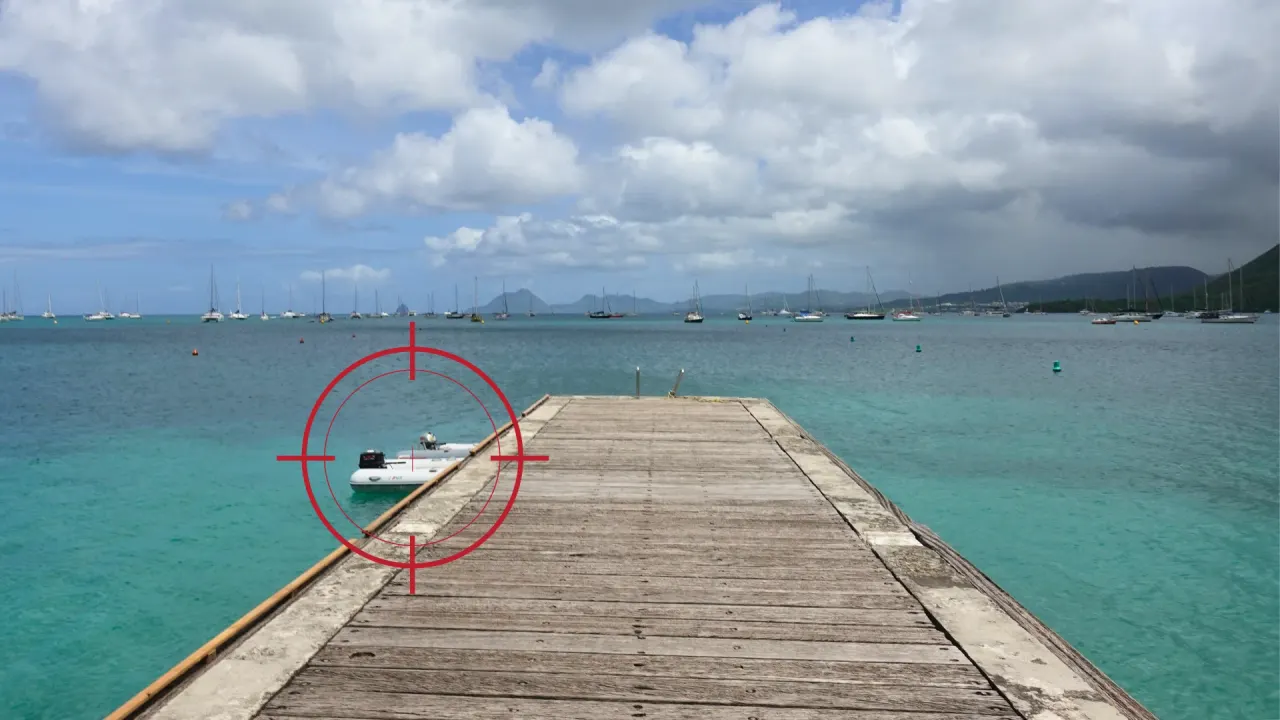
How Thieves Scout and Steal YOUR Tender
Discover how thieves scout and steal dinghies in anchorages around the world, what makes your tender a target, and practical security steps to protect your boat.
By WAKETRACE Team · · Security & Self Defence
For many sailors their tender is the equivalent of a car, so theft can be devastating. Losing the tender can leave yourself and your crew stranded, out of pocket, and wondering how you’re going to get your daily transport back.
As a boater, understanding how thieves operate and what makes your tender an attractive target is the first step towards keeping it secure.
How thieves scout anchorages and select targets
Local thieves who target dinghies tend to monitor anchorages to see which visiting yachts present the easiest targets. They often identify and surveil vulnerable dinghies during the day, then carry out the theft under the cover of darkness. You may see someone loitering at the dock watching the tenders, studying a specific dinghy on the beach, or traveling slowly past your yacht in another boat to see how the tender is attached.
REAL WORLD REPORTS
Through the live WAKETRACE map and historical data, you’re able to read real-world reports of dinghy theft around the world, to learn how other yachties are targeted.
In one reported incident in Grenada, a couple of liveaboard cruisers went ashore to eat at a fish fry, and noticed a small local fishing vessel lingering near their boat. At approximately 2:00 AM the yacht was boarded, dinghy painter was cut, and the tender stolen. Incredibly, the thieves later returned in an attempt to extort the owners for cash. During that interaction the owners actually managed to steal their dinghy back, leaving the would-be thieves to hurl insults as they fled the scene.
What kinds of dinghies and outboards are at the highest risk
Data from various sources around the world makes it clear that dinghy theft is a global problem. Interestingly though, it’s generally not a working tender the thieves are after - it’s just the outboard. They will steal the entire dinghy to get to it, then abandon the hull once the outboard and steering mechanism have been removed.
Based on statistics, some of the things that can increase the attractiveness of your tender to thieves are:
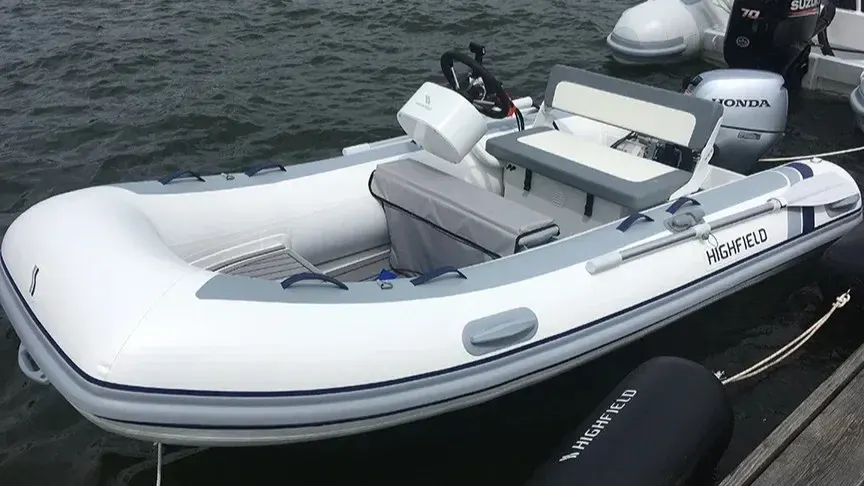
- Expensive, aluminium-bottomed inflatable tenders with medium-horsepower outboard engines
- Popular outboard models that are reliable and easy to sell, such as Yamaha 15HP and Honda 20HP outboards
- Unlocked tenders
- Tenders with easy to cut locks, such as bicycle cables
Where dinghies tend to be stolen
While dinghy theft can occur anywhere someone gets the bright idea to take one, theft hotspots tend to form in locations with high vessel density and limited security patrols, where other issues like theft, gangs and scams are already a problem.
In some areas the frequency of dinghy theft will explode into a crime spree where multiple vessels are targeted in a week, as was seen in Saint Martin during the 2024-2025 Caribbean sailing season, and Linton Bay, Panama, shortly before the start of the 2026 hurricane season. When this happens it usually requires widespread reporting and public scrutiny to force local authorities and marine organizations to act decisively to curb the problem.
HOW TO FIND DINGHY THEFT HOTSPOTS
Knowing where the current dinghy theft hotspots are or which anchorages have historically been a target can help you safeguard your tender. On the WAKETRACE map you can quickly and easily filter to see where crimes have taken place, helping you make more informed cruising plans.
How they get away with your tender
Once thieves have decided to steal your tender, there’s three main ways it usually happens;
- At night on anchor
- Ashore
- While the boat is unoccupied
ON ANCHOR
At anchor the primary method of theft is the "cut-and-take" technique, which usually takes place between midnight and dawn while the crew is asleep. Thieves approach the yacht silently, cut the painter line, and let the dinghy silently drift or be towed away from the yacht. Once they’re far enough away, they start the outboard engine and disappear. This approach minimizes noise, so the owners don’t wake up.
DURING THE DAY
During the day dinghies are more likely to be targeted at beaches or public docks. The Sint Maarten custom house dock incident in March 2025 showed that thieves can be bold enough to steal tenders in broad daylight, outside a government office, almost immediately after the owners walk away, highlighting that proximity to authority does not guarantee safety.
UNOCCUPIED VESSELS
Thieves will also board yachts they’ve observed have been left unoccupied on moorings, in marinas or hauled out, and can take more than just the tender. A sailboat in French Polynesia was targeted in this way, with the thieves taking the tender and outboard, as well as communication devices, a significant amount of Raymarine equipment, parts of the electrical system (including four 100 Ah lithium batteries), and even the ENO gas stove.
Practical steps cruisers can take to protect their tenders
Implementing multiple layers of security is the best way to deter opportunistic thieves, and protect your tender from being stolen. Cruisers can significantly lower their risk by:
- Lifting the dinghy out of the water at night
- Locking the tender to the yacht using a high-security marine padlock and stainless chain
- Avoiding thin, plastic-coated bicycle cables
- Securing the outboard to the tender
- Removing brand and power markings from the cowl
- Making the outboard look older, or too distinctive to easily sell
- Placing hidden tracking devices
- Installing sound and light alarms on the yacht
- Adding security cameras that can be monitored remotely
Before going to a new area it’s also smart to check online platforms like WAKETRACE to see what the crime situation is like, so you can do a better risk assessment.
Why reporting theft is genuinely important
While cruisers often feel like reporting is a waste of time, getting an official police report from local authorities and reporting the events to marine safety and security networks like WAKETRACE creates accountability. And that is important. It prevents police from claiming crime rates are low, while also building a public record that forces local governments to act.
You can warn incoming cruisers of what could happen to them, while also helping make anchorages safer for the entire community.
How do you manage the risk of dinghy theft?
So, what's your advice? Have you had a dinghy stolen, or a robust security measure you think has saved you from the experience? Share in the comments to help expand the knowledge bank for other cruisers.
To stay updated on the latest security alerts and hazard reports in your area, or to report an incident yourself, visit the WAKETRACE map.
Open the live Risk Event Map →