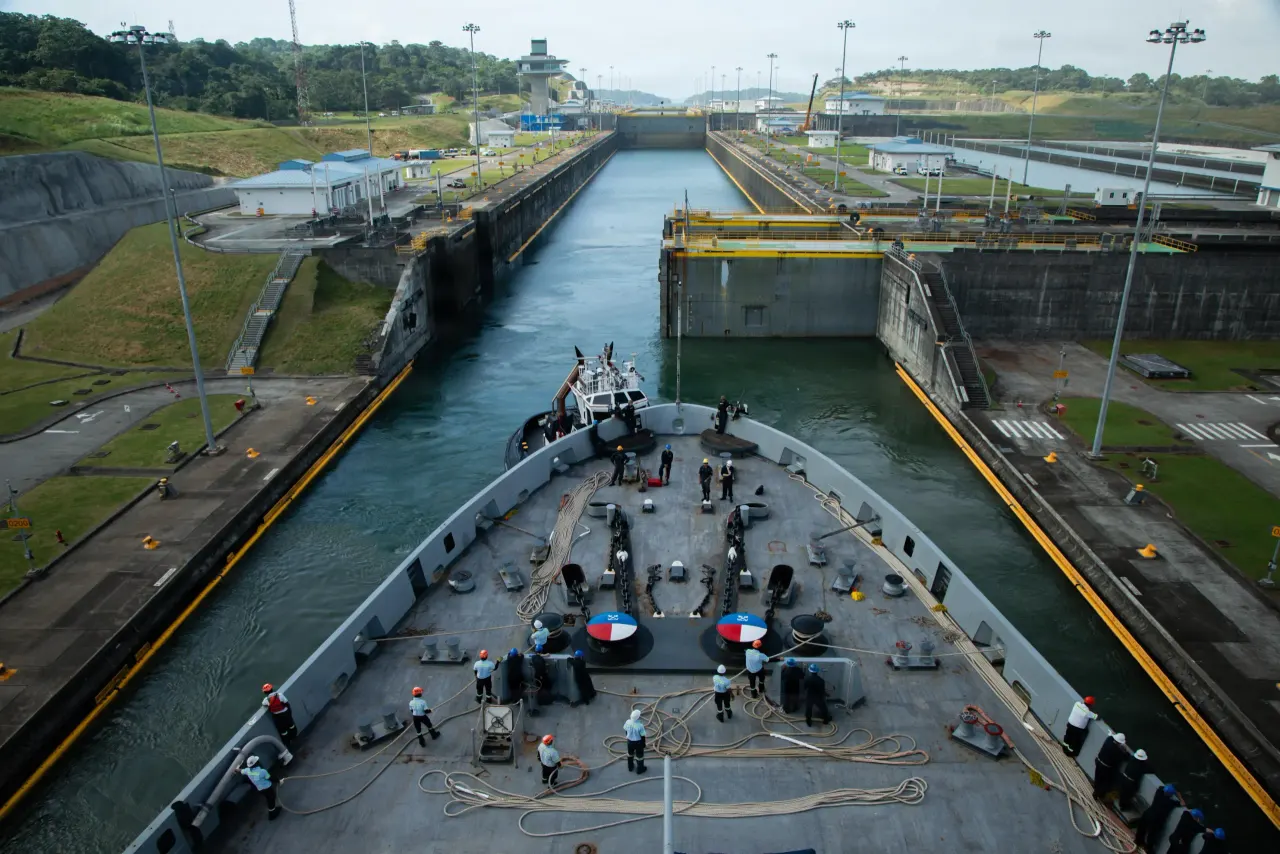
Military Strikes in the Caribbean Continue - Should You be Worried?
Understand Operation Southern Spear, the transition to JTF Western Hemisphere, latest strikes, and potential implications for sailors.
By Morgan Blakeman · · News
The maritime security landscape across the Caribbean Sea and Eastern Pacific has undergone an undeniable shift in the past year, with an unprecedented escalation in counternarcotics tactics. Over 60 boats have been hit by military strikes, resulting in more than 200 deaths. The most recent was two days ago.
Formally announced in November 2025, part of the core operational doctrine of Operation Southern Spear (OSS) involved lethal airstrikes against small craft suspected of transporting illicit narcotics. For many crews and captains in the region, this escalation was alarming.
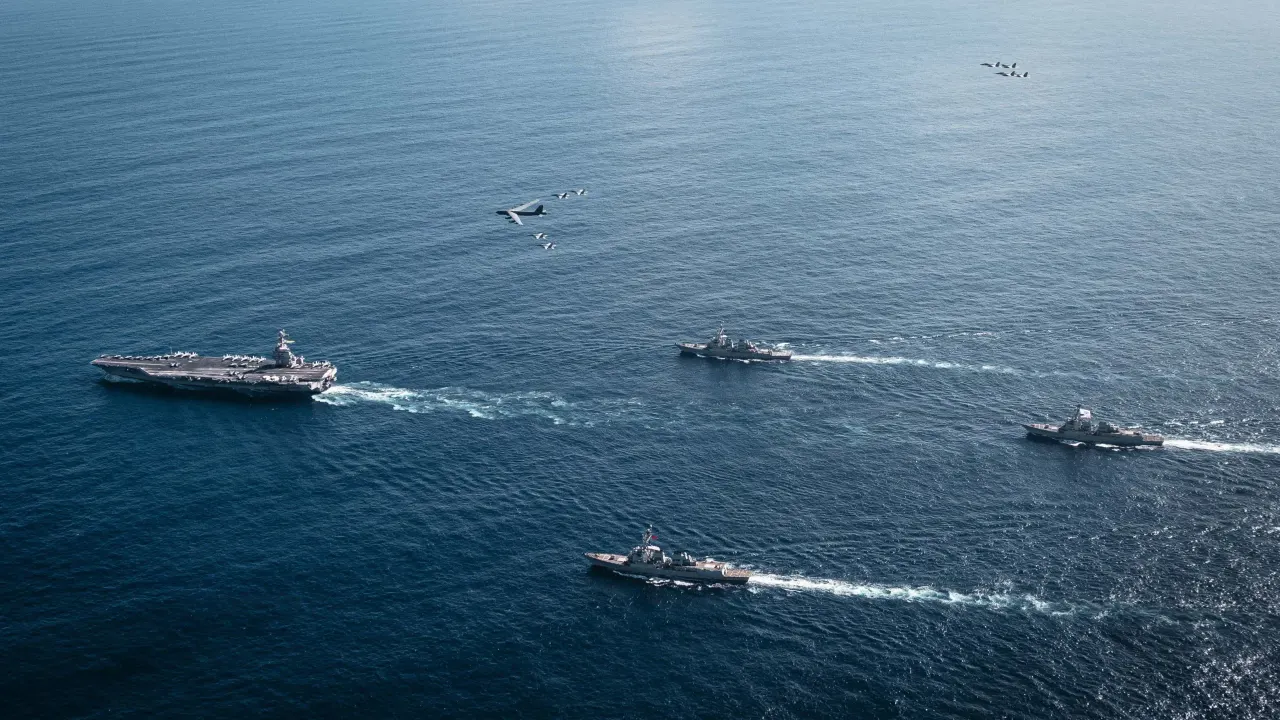
What was Operation Southern Spear
Operation Southern Spear was established by the Department of War (DoW) as an overarching operation to disrupt narcotics originating from transnational criminal cartels, designated by the U.S. Executive Branch as Designated Terrorist Organizations (DTOs). The legal foundation rested on a January 20, 2025 executive order classifying cartel activities as asymmetric warfare against the United States, allowing for military actions without explicit prior congressional authorization under national emergency provisions.
On September 2, 2025, U.S. forces executed a dual strike on a vessel linked to a Venezuelan cartel, resulting in 11 fatalities. Over the subsequent period of operation these strikes continued, with a cumulative spend of around $821 million USD, according to reports to Congress.
| Reporting Period | Vessels Struck | Estimated Casualties |
|---|---|---|
| Sept 2025 – March 2026 | 45 vessels | 156 killed |
| April 1, 2026 – June 30, 2026 | 19 vessels | 56 killed |
Since the last Report to Congress was released, the strikes have continued, but the operational structure has changed.
Transition to Joint Task Force Western Hemisphere
On August 4, 2026, USSOUTHCOM Commander Gen. Francis L. Donovan officially activated Joint Task Force Western Hemisphere, headquartered in Doral, Florida. The activation marked a permanent operational transition from temporary campaign tasking under Operation Southern Spear, to a standing operational command structure.
Commanded by U.S. Marine Corps Maj. Gen. Kevin Jarrard, Joint Task Force Western Hemisphere now acts as SOUTHCOM's dedicated operational arm. It coordinates intelligence, surveillance, and reconnaissance, alongside kinetic planning, across 18 partner nations belonging to the Americas Counter Cartel Coalition. The Coalition was established in March 2026 under the Shield of the Americas framework, and led by the United States.
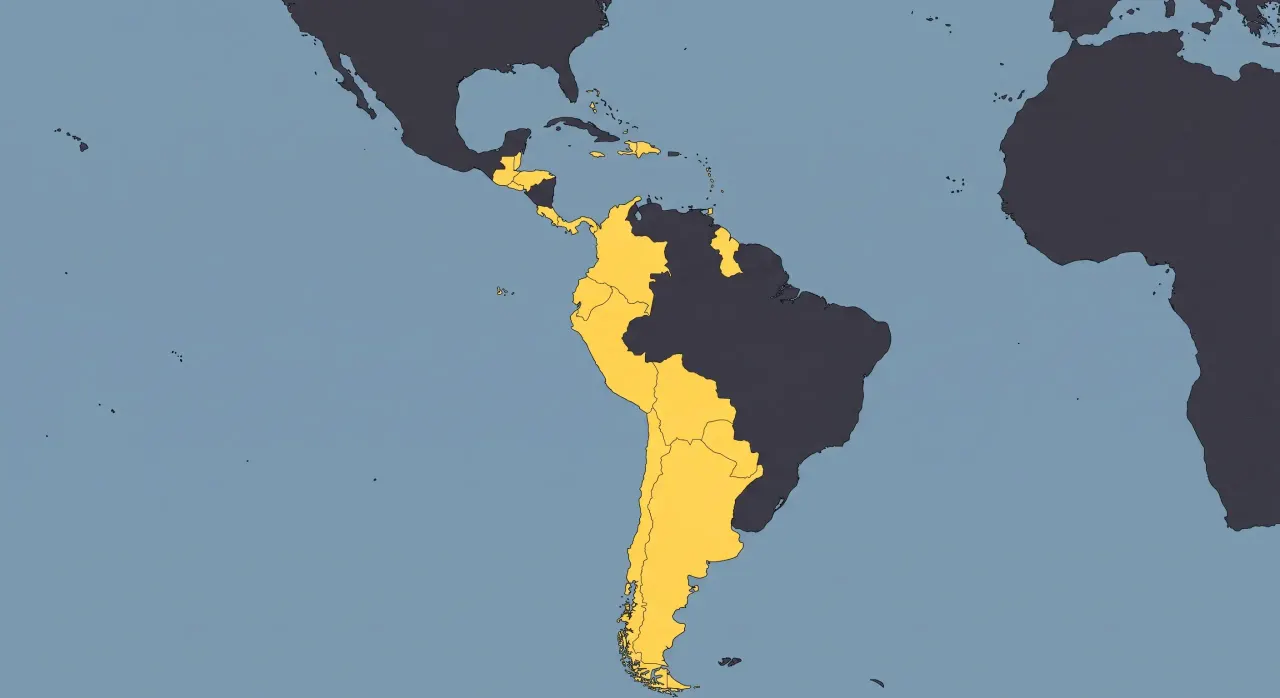
Most recent kinetic strike in the Caribbean
As the next Caribbean sailing season fast approaches, strikes continue. The most recent was on September 19, 2026, against a high-speed vessel navigating well-known narco-trafficking corridors in the Caribbean Sea.
According to official USSOUTHCOM public statements, the strike was executed following real-time intelligence confirming the vessel's direct involvement in cartel logistics. The kinetic engagement resulted in four fatalities aboard the go-fast craft.
Navigational considerations
For recreational skippers, blue-water cruisers, and commercial operators navigating the Caribbean basin, the Windward Passage, and the Eastern Pacific routes between Panama and the Galápagos, the ongoing military action may be concerning.
While recreational vessels are not targets of military operations, operating in active kinetic zones where there are known drug trafficking routes demands some situational awareness.
Maintaining an active Class A or Class B AIS transponder establishes a clear vessel identity and intentional voyage profile for naval ISR aircraft and surveillance platforms. When transiting international waters near active USSOUTHCOM operational areas, monitor VHF Channel 16 and Channel 13. Ensure you respond promptly to any security inquiries from coalition naval units.
If an unlit, high-speed vessel approaches your craft at night, broadcast your position, and report the contact to local naval authorities. When safe, log the Risk Event on WAKETRACE to make other boaters aware of your experience.