
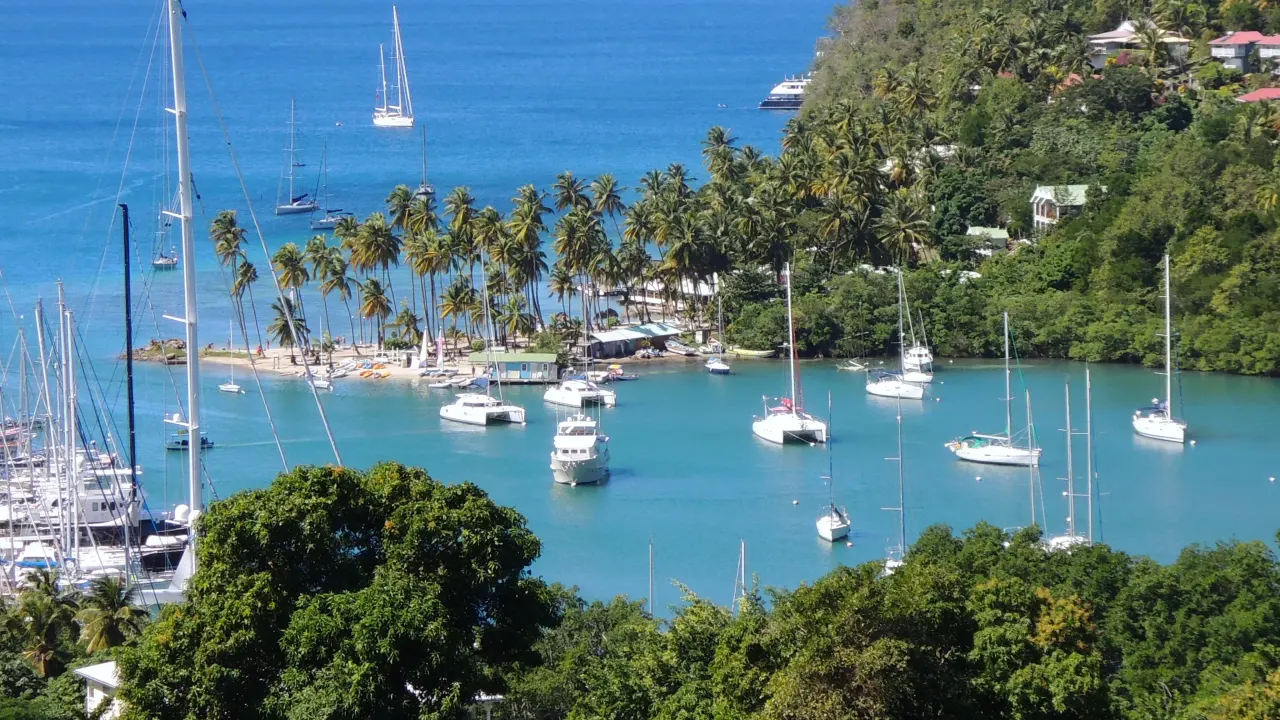
What Is SailClear? Cruisers Guide to Caribbean Clearances
Discover how SailClear streamlines customs and immigration across nearly twenty Caribbean nations, what it costs, and how to use this online pre-arrival tool to cut hours off your port clearance.
By WAKETRACE Team · · Seamanship
Island-hopping down the Caribbean is one of the most popular cruising routes worldwide, but there are times when clearing in and out can test your patience. Completing four to six identical, carbon-copy paper forms by hand in a sweltering customs office after an overnight passage is nobody's idea of fun.
Fortunately, many Caribbean border agencies recognized this bottleneck and an electronic pre-arrival notification system was introduced to replace repetitive paperwork with a digital profile. That platform is SailClear.
Introducing SailClear and the CCLEC
SailClear is a regional, web-based pre-arrival and pre-departure notification portal designed to meet the border requirements of customs, immigration, and port authorities across the Caribbean. Developed in 2013, the platform is owned, managed, and operated by the Caribbean Customs Law Enforcement Council (CCLEC), an intergovernmental organization headquartered in Castries, Saint Lucia. The council works directly with regional governments to standardize border security, combat smuggling, and streamline maritime trade and tourism.
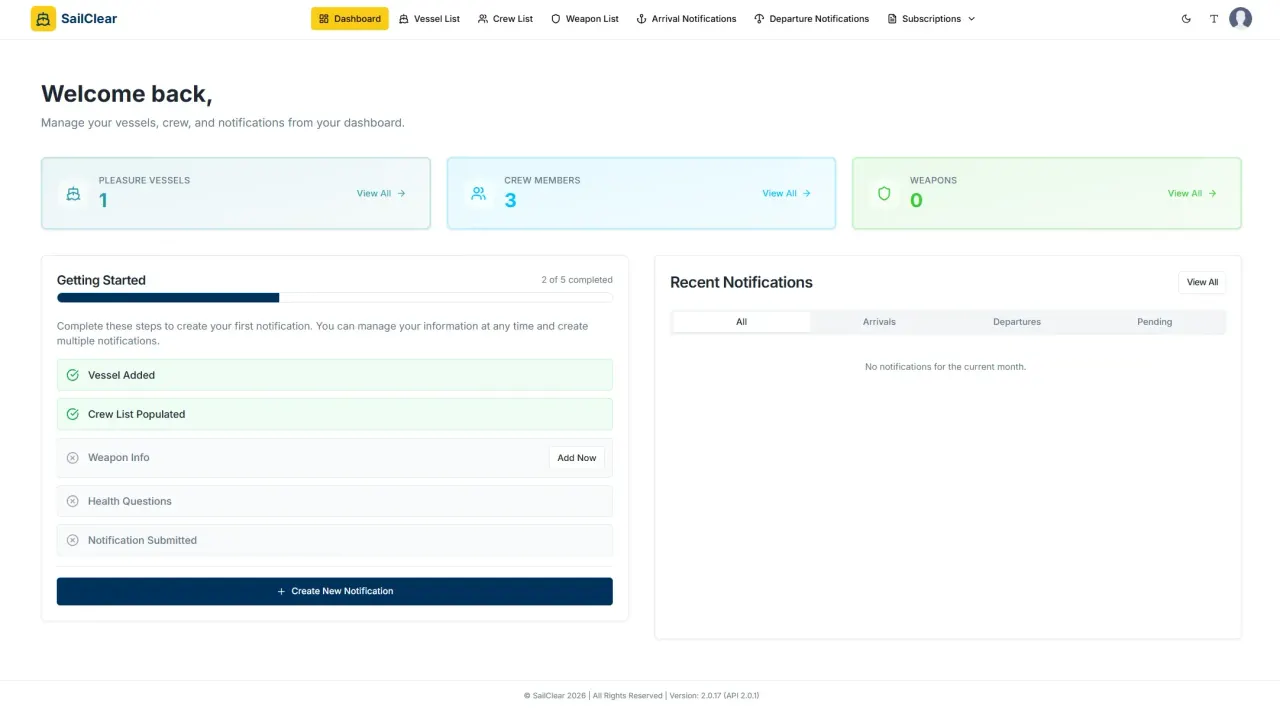
What does SailClear do
CCLEC created SailClear to address a major regional challenge; dozens of sovereign island nations, each with different legal codes and paper forms, located just a day-sail apart.
Rather than forcing visiting sailors to repeatedly handwrite boat dimensions, passport numbers, and engine details in every harbor, SailClear stores your vessel and crew records in a secure online database. Border officers in participating countries retrieve your submitted information electronically, verify your identity against your passports, and can print standardized official entry and clearance documents directly from the system.
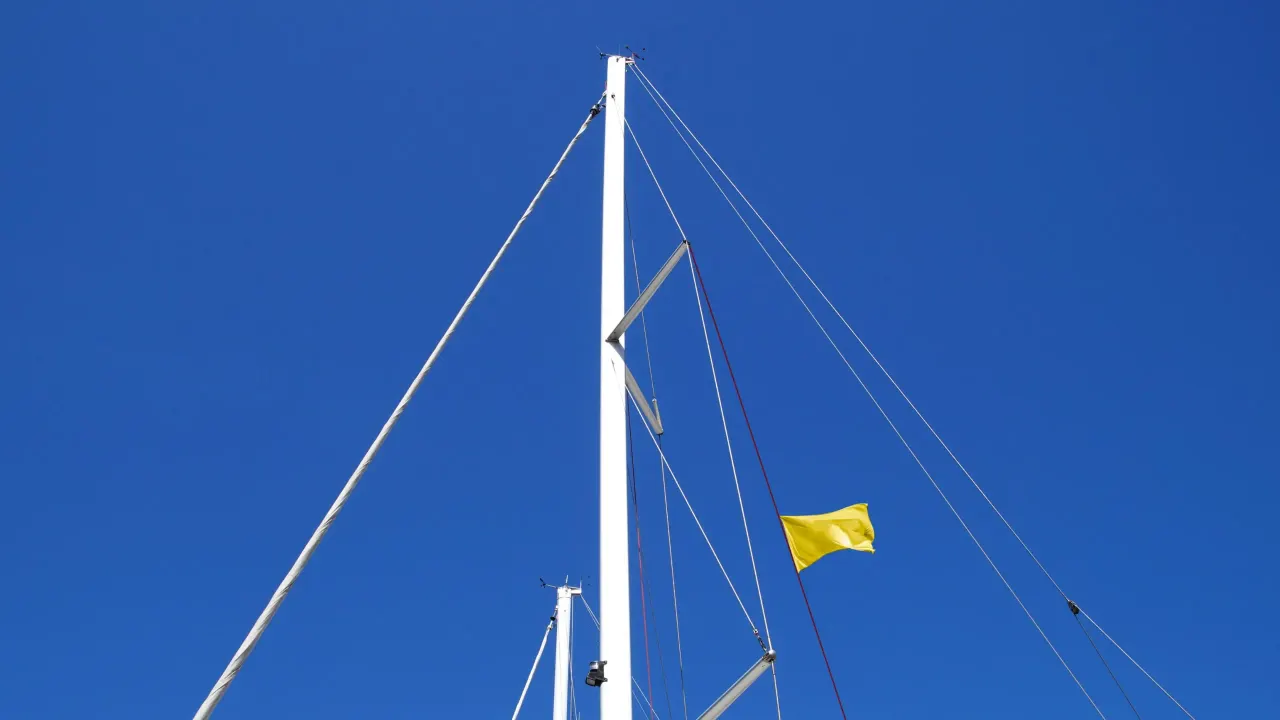
It is important to remember that SailClear is an advance notification service, and submitting your forms online does not grant legal entry into a country. You are still obligated to fly the yellow Q flag upon arrival, report to the official port of entry, present physical passports and papers to border officials, and pay any applicable local government fees.
Where SailClear is accepted across the Caribbean
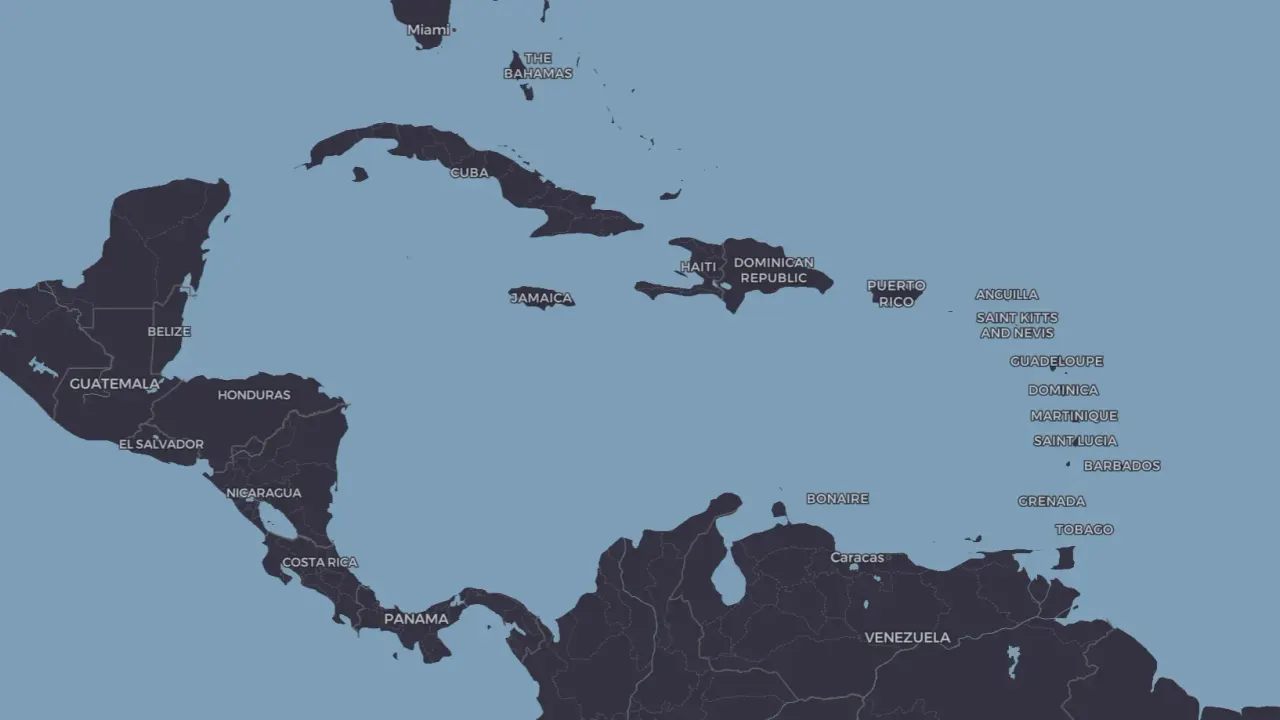
SailClear is widely adopted throughout the English-speaking and Dutch Caribbean, spanning from Bermuda in the North Atlantic down to Trinidad and Tobago near the South American mainland. While nearly twenty island nations and coastal territories utilize the platform, coverage is not universal across the entire basin.
In 2026, SailClear is offered in these locations:
- Anguilla
- Antigua and Barbuda
- Barbados
- Belize
- Bermuda
- British Virgin Islands
- Cayman Islands
- Curacao
- Dominica
- Dominican Republic
- Grenada
- Montserrat
- Saint Kitts and Nevis
- Saint Lucia
- Saint Vincent and the Grenadines
- Trinidad and Tobago
- Turks and Caicos Islands
You can check the SailClear website for the current list.
NOTABLE REGIONAL EXCEPTIONS AND LOCAL SYSTEMS
The French overseas territories of Martinique, Guadeloupe, Saint Martin, and Saint Barthélemy do not use SailClear. Instead they have their own online platform on the Demarche Numerique website.
As well as supporting SailClear, Antigua also has eSeaClear, which is their local version of the pre-arrival notification. You can choose which one you want to use, just don’t do both.
Vessels visiting a United States territory (Puerto Rico, Vieques, Culebra, and the U.S. Virgin Islands) should use the CBP ROAM app.
How SailClear works: A step-by-step clearance guide
Using SailClear is straightforward, especially after you complete your initial vessel and crew profile. The platform is designed so that subsequent declarations between participating islands only require updating your travel dates, ports of call, and passenger manifest.
STEP-BY-STEP CLEARANCE PROCESS
To ensure a smooth arrival, follow this standard procedure when planning your passage:
Step 1: Register your account:
Visit the official portal and create an administrative account. This profile serves as your home base for managing vessel data and travel history.
Step 2: Add your vessel profile:
Enter your boat's specifications, including official registration numbers, flag state, hull identification number (HIN), length overall (LOA), beam, draft, and radio call sign.
Step 3: Build your crew and passenger manifest:
Input the full names, nationalities, dates of birth, passport numbers, and passport expiration dates for everyone aboard. Once saved, these crew profiles remain in your account for future voyages.
Step 4: Create a new voyage declaration:
Select your departure port and intended Caribbean port of entry, along with your estimated date and time of arrival (ETA).
Step 5: Declare ship's stores and goods:
Complete the digital customs declaration, detailing any controlled items such as alcohol, tobacco, commercial goods, shipboard pets, and legally declared firearms or ammunition.
Step 6: Submit and record your ID number:
Submit the declaration to border authorities. The system will generate a unique SailClear identification number so write this number down or save a screenshot on your phone.
Step 7: Complete in-person clearance:
Upon arriving in port, proceed ashore to customs and immigration. Hand the officer your passports, ship registration, clearance papers from your previous port, your SailClear reference number and any other documents they require. The officer will pull up your digital file, and complete your clearance.
Costs and fees associated with using SailClear
There is an annual subscription fee of $25 USD to access the SailClear portal. This fee is paid directly on the SailClear website via credit card and provides your vessel with twelve months of unlimited voyage declarations across all participating countries.
This fee is separate to any clearance fees you may need to pay at customs or immigration.
Why cruisers use SailClear in the Caribbean
SailClear remains one of the most popular digital tools for liveaboard cruisers and charter skippers cruising in the region. While you do have to pay for the service, the primary advantage is time savings. In Trinidad and Tobago for example, a paper clearance involves filling out a stack of forms, and making multiple handwritten copies of the same document. Doing this digitally speeds up the process immensely.
- Only have to type in crew details, and boat specifications once
- Officers do not have to manually re-type your handwritten paperwork into their national databases, speeding up the process
- The system maintains a clean digital log of your previous Caribbean ports and clearance
- The advance notification helps regional coast guards monitor legitimate cruising traffic
Share your Caribbean clearance experiences
Electronic clearance systems have made cruising the islands faster and more organized, but local procedures and customs quirks still vary from dock to dock. What has your experience been using SailClear across different island chains, and which ports offered the fastest clearance times?
FAQ
Does using SailClear mean you do not have to check in with customs in person?
No, SailClear is strictly an advanced notification tool. You must still report physically to the local customs and immigration office upon arrival with all original passports and boat papers.
How far in advance should a skipper submit a SailClear declaration?
It’s best to submit your electronic declaration around 24 to 72 hours prior to your estimated arrival time, to ensure local border officers have your information before you drop anchor.
What happens if your crew roster changes?
You can log into your SailClear account, add or remove crew profiles, and assign the updated roster to your next declaration.
Is SailClear mandatory in every Caribbean country?
While many islands treat SailClear as a voluntary convenience, some jurisdictions (including Bermuda and Belize) legally mandate electronic pre-arrival submissions for all foreign pleasure craft.
To stay updated on the latest security alerts and hazard reports in your area, or to report an incident yourself, visit the WAKETRACE map.
For more information:
Open the live Risk Event Map →