
The 'Found Dinghy' Ransom Scam
Learn about the 'Found Dinghy' ransom scam, including how it happens, and what you can do about it.
By WAKETRACE Team · · Security & Self Defence
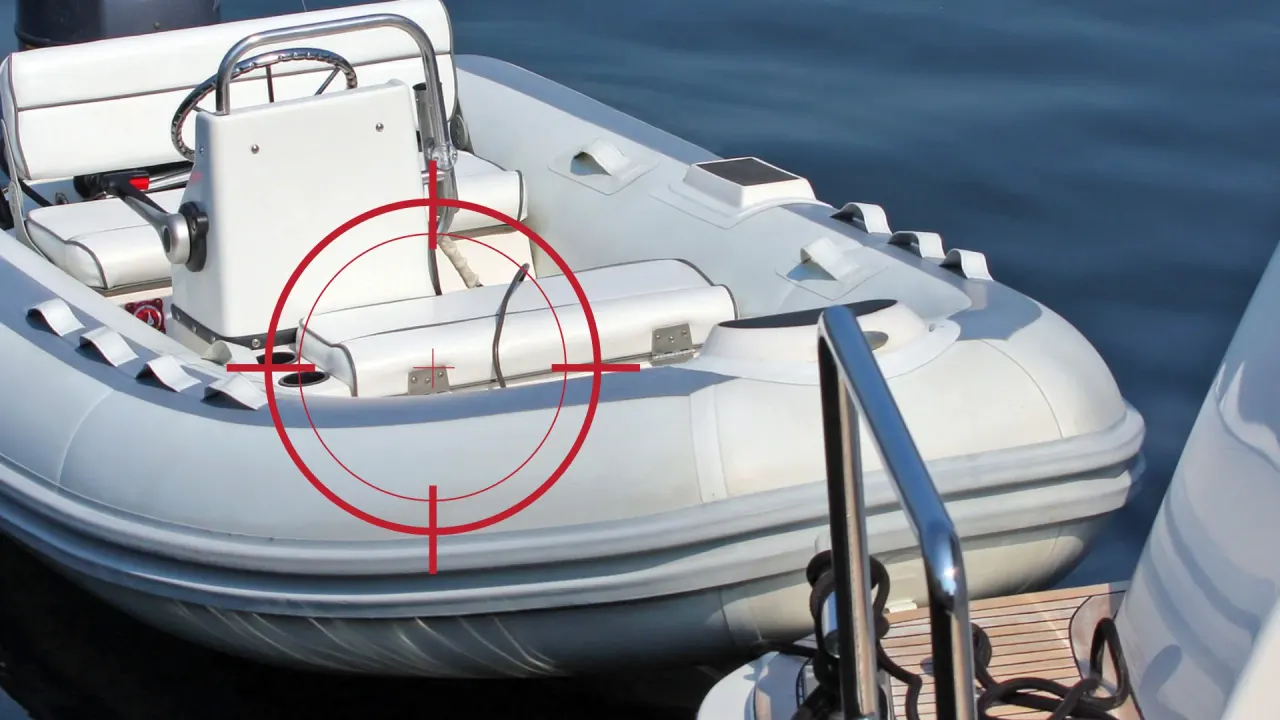
Imagine coming on deck or back to the dock to discover your tender missing, only for a local boat to pull up a few hours later claiming they "found it drifting" and demanding a hefty cash reward. This scenario is not a simple stroke of luck, it's an extortion scam targeting cruisers.
How tenders are taken
With these scams, the thieves usually target dinghies at night, untying or cutting the painter then towing them to a hidden mangrove or beach nearby. The thieves then wait for the desperate owner to start searching. Often, they approach the yacht as a "good Samaritan," claiming they spotted the boat drifting and require a cash reward for its safe return.
REAL WORLD INCIDENT
In Grenada, cruisers who had their dinghy stolen at night were approached by the thieves offering to return the tender for a cash fee. Instead of paying, the owners managed to take their dinghy back during the interaction, leaving the would-be extortionists to flee.
When this story was shared on the WAKETRACE website, other Caribbean cruisers shared their own experiences, highlighting that this is a scam cruisers should be aware of.
Why paying ransoms fuels regional theft sprees
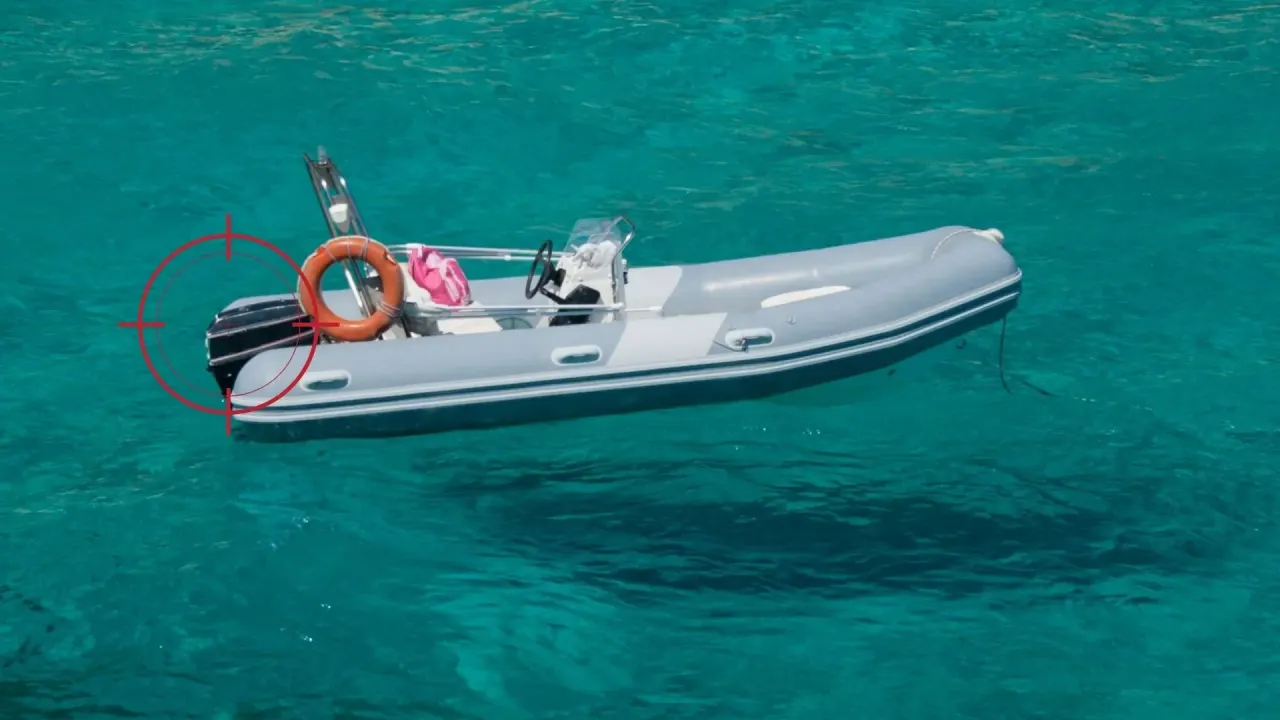
While paying a few hundred dollars to get your dinghy back is tempting, doing so can show thieves that stealing and returning tenders is a lucrative, low-risk business. This cycle increases the frequency of thefts in the anchorage, turning what was once a safe cruising stop into a hotspot for crime. It's a dilemma, but at the end of the day the only way to break the cycle is for the perpetrators to be held accountable.
How to handle an extortion attempt
If you find yourself in the middle of a suspected dinghy ransom attempt, protect yourself:
- Notify the local authorities, coast guard, or port police as soon as possible
- Search the surrounding area; thieves often hide stolen tenders in nearby mangroves, inlets, or behind local docks where they can easily retrieve them
- Try to keep communications in public areas or somewhere there are security cameras and witnesses, both for safety and to help create a record of what's happened
- Stay calm and alert during any interactions with the thieves
Protecting your tender from the initial theft
Lifting your tender out of the water at night and securing it with a heavy-duty chain are two of the most effective ways to prevent theft. It's also a good idea to bolt the engine to the transom to help prevent quick removal. You can learn more about general tender theft prevention techniques in this article.

The power of reporting to break the cycle
Logging theft and extortion attempts on security networks like WAKETRACE helps bring greater transparency and accountability to the situation. It creates a public record that prevents local authorities from claiming crime rates in their jurisdiction are low, and also serve as a warning to incoming vessels, allowing them to make a more informed risk assessment.
Public accountability is often the only way to pressure local governments and marine organizations into taking decisive action, so by sharing information, cruisers can help protect the wider community.
Open the live Risk Event Map →